Direct Answer
Prebiotic soda can be a smarter swap than a high-sugar soft drink for some people, but it is not automatically a gut-health product. The label test is simple: check the fiber source, the grams of dietary fiber, the added sugar, the sweetener system, the acidity ingredients, caffeine and any personal triggers such as inulin, chicory root fiber, agave inulin, fructooligosaccharides, sugar alcohols or non-nutritive sweeteners [1][2][3]. If the drink fits your own diet, allergy, digestive and lifestyle rules, it may be an occasional option. If it causes bloating, relies on claims you cannot verify, or conflicts with your ingredient preferences, treat the front-of-can promise with caution.

Want to check if a food or cosmetic product matches your allergies, diet, beliefs or ingredient rules? Scan the label with MyGredient.
Download MyGredient for Android or iPhoneFree trial available on the annual plan.

Key Takeaways
- Prebiotic soda is a label-reading trend. Functional beverages, fiber and gut-health positioning are recurring 2026 food and drink themes.
- Inulin is the key ingredient to check. Many prebiotic sodas use inulin or chicory root fiber, which is fermentable and may not suit everyone [4].
- Less sugar does not mean no trade-offs. Some drinks reduce added sugar by using stevia, monk fruit, erythritol, allulose or other sweetener systems.
- Carbonated acids still matter. Citric acid, malic acid, phosphoric acid and carbonation can make a drink acidic even when it looks like a wellness swap.
- Personal tolerance is the real gate. IBS, FODMAP sensitivity, sweetener preferences, caffeine sensitivity, allergies and religious or lifestyle rules can all change the answer.
Main Analysis
Why prebiotic soda is suddenly everywhere
Food and beverage trend coverage for 2026 keeps returning to the same pattern: protein remains powerful, but fiber, gut health and functional drinks are moving into mainstream packaged food. Current industry reporting repeatedly points to protein, fiber, gut health and functional beverages as active areas of product innovation. That makes prebiotic soda a useful MyGredient test case because the category depends on label details, not only on front-of-can positioning.
Checking a label before you buy? Use MyGredient to compare ingredients against your saved diet, allergies, beliefs and custom rules.
Download MyGredient for Android or iPhoneFree trial available on the annual plan.
That trend creates a practical shopper problem. A can may look like soda, talk like a wellness product and sit in the soft-drink aisle. The only reliable way to understand it is to read the back label. For MyGredient users, that means checking the ingredient list and Nutrition Facts panel together, rather than trusting the words prebiotic, gut health, low sugar or functional on the front.
What does prebiotic soda usually contain?
A typical prebiotic soda formula may include carbonated water, a soluble fiber such as inulin or chicory root fiber, fruit juice concentrate or natural flavor, acids for tartness, sweeteners and sometimes caffeine or botanical extracts. The exact formula varies, but the label pattern is usually built around a promise: soda-like taste with less sugar and added fiber.
Prebiotic fibers are not the same as probiotics. Prebiotics are substrates used by gut microbes, while probiotics are live microorganisms. That difference matters because a drink with added fiber is not automatically equivalent to eating a diverse high-fiber diet.
For label reading, the most common names to look for are inulin, chicory root fiber, agave inulin, fructooligosaccharides or FOS. Inulin-type fructans are widely studied for prebiotic potential [4]. Inulin-type fructans and short-chain fructooligosaccharides are also used in the food industry as fat and sugar replacers and texture modifiers [8]. But the same fermentability that makes these ingredients interesting can also make them uncomfortable for some people.
The fiber question: useful, but not magic
The FDA says dietary fiber declared on Nutrition and Supplement Facts labels includes naturally occurring fibers that are intrinsic and intact in plants, plus certain isolated or synthetic non-digestible carbohydrates that FDA has determined have beneficial physiological effects [3]. That means the fiber line on a drink label is regulated information, not just marketing copy.
Still, fiber source matters. Fiber inside beans, oats, vegetables, fruit, seeds and whole grains arrives with water, minerals, phytonutrients, texture and chewing. Fiber in a soda is isolated into a drink matrix. That does not make it useless, but it changes the way you should think about it. A prebiotic soda can contribute fiber grams, but it should not become your main fiber strategy.
There is also a tolerance issue. Inulin is highly fermentable, and controlled studies in IBS populations have examined how inulin can increase gas production and gastrointestinal symptoms [5]. In plain terms: the same ingredient that one shopper seeks out may be the ingredient another shopper needs to limit.
Added sugar and sweeteners: read both panels
Prebiotic soda brands often compete with traditional soda by reducing added sugar. That can be useful, but the reduction usually comes from a formula choice. Some products use small amounts of cane sugar or juice concentrate. Some use stevia, monk fruit, allulose, erythritol or blends of sweeteners. Some combine sweeteners with acids and flavor systems to recreate a classic soda profile.

The FDA explains that added sugars include sugars added during processing, syrups and honey, and sugars from concentrated fruit or vegetable juices, but not naturally occurring sugars in milk, fruit and vegetables [2]. The Daily Value for added sugars is 50 grams per day based on a 2,000 calorie diet, and 20% DV or more is considered high [2]. For drinks, this is especially important because sugar can add up quickly without much fullness.
The ingredient list tells you how the sweetness was built. The Nutrition Facts panel tells you the sugar and fiber numbers. Read them together. A product with low added sugar might still contain sweeteners you personally avoid. A product with fruit juice concentrate may sound natural but still contribute added sugar depending on how it is used. A product with non-nutritive sweeteners may suit one person but not another; recent reviews continue to examine how these sweeteners may interact with the gut microbiome [6].
Acids, carbonation and teeth
Prebiotic soda is still soda-like. Carbonation and acid ingredients give the drink its snap, brightness and shelf-stable flavor profile. Look for citric acid, malic acid, phosphoric acid, tartaric acid, ascorbic acid or similar acidifiers. FDA’s food ingredient overview describes common ingredient functions such as preservatives, sweeteners, colors, flavors, spices, emulsifiers, stabilizers, thickeners and texturizers [7]. These ingredients are not automatically unsafe, but they tell you the drink is formulated and acidic.
Carbonated soft drinks can be acidic because carbonation, citric acid, malic acid, phosphoric acid and other acid ingredients are used to create tartness and fizz. That does not mean one can ruins your teeth. It means frequent sipping, especially between meals, may be a different habit from having one occasional drink with food.

If you are choosing a prebiotic soda because it feels healthier, do not ignore the drinking pattern. A lower-sugar acidic drink consumed slowly all day can still create a very different exposure than water, tea, milk or a whole-food snack.
Ingredient checklist for prebiotic soda
| Label item | What to look for | Why it matters |
|---|---|---|
| Fiber source | Inulin, chicory root fiber, agave inulin, FOS | Useful for some shoppers, but may trigger gas, bloating or FODMAP concerns. |
| Fiber grams | Dietary fiber per serving and percent Daily Value | Shows whether the drink meaningfully contributes fiber or is mostly a claim [1][3]. |
| Added sugar | Added Sugars grams and %DV | Lower sugar can be helpful, but the FDA label gives the actual number [2]. |
| Sweetener system | Stevia, monk fruit, erythritol, allulose, sucralose or blends | Sweetener tolerance and preferences vary by person. |
| Acids | Citric acid, malic acid, phosphoric acid, tartaric acid | These shape flavor and acidity; drinking pattern matters for teeth. |
| Caffeine or botanicals | Tea extract, green coffee extract, guarana, yerba mate | Important for caffeine sensitivity, pregnancy guidance and medication routines. |
Who should be more cautious?
People with IBS, inflammatory bowel disease, small intestinal bacterial overgrowth, frequent bloating, fructan sensitivity or low-FODMAP routines should be especially careful with inulin and chicory root fiber. These ingredients are not bad for everyone. They are simply active enough to matter. If a single can doubles your usual fiber intake, your gut may notice.
People limiting added sugar should check the Nutrition Facts panel, not just the claim. People avoiding non-nutritive sweeteners should scan for stevia, monk fruit, sucralose or other sweetener terms. People with caffeine sensitivity should check for tea, coffee, guarana or botanical extracts. Families buying drinks for children should also check serving size, acids and sweetener choices rather than assuming a wellness-style can is automatically a child-friendly option.
Religious and lifestyle rules can matter too. Flavors, colorants, processing aids and other minor ingredients may matter for vegan, halal, kosher or alcohol-avoidance preferences. This is where a personalized scanner is useful, because a generic health score cannot know your rules.
Food Labels 101
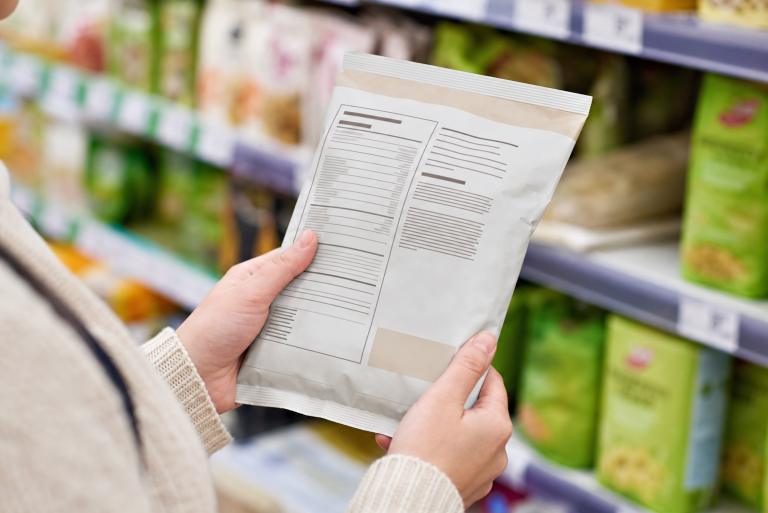
When a drink is marketed as prebiotic, start with the ingredient list. The first ingredients tell you the structure of the beverage. If the first line is carbonated water followed by inulin, sweeteners, acids and flavors, you are looking at a formulated functional drink, not a whole-food fiber source.
Next, read the Nutrition Facts panel. The FDA says the Nutrition Facts label is designed to help shoppers make informed choices, with details such as serving size, calories, added sugars, dietary fiber and percent Daily Value [1]. For this category, the most useful lines are serving size, dietary fiber, total sugars, added sugars and sometimes sodium.
Then compare the drink with the alternative it is replacing. If it replaces a high-sugar soda, it may reduce added sugar. If it replaces water, it adds sweeteners, acids and flavor systems. If it replaces a bowl of oats, beans, fruit or vegetables, it is not nutritionally equivalent. For more label-reading basics, see MyGredient’s ingredient label reading guide, hidden names for sugar on labels and ultra-processed foods explainer.
MyGredient Prebiotic Soda Checklist
- Scan for inulin, chicory root fiber, agave inulin, FOS or other fermentable fibers.
- Check whether the fiber grams are meaningful for your goal and tolerable for your gut.
- Check added sugar grams and percent Daily Value.
- Scan for sweeteners you personally limit or avoid.
- Check acids if you sip acidic drinks frequently.
- Check caffeine, botanicals and flavor ingredients if you are sensitive.
- Compare the drink to what it replaces: sugary soda, water, tea or a whole-food snack.
- Use your own diet, allergy, religious, lifestyle and medical-advice boundaries before treating any front-label claim as enough.
FAQ
Are prebiotic sodas actually good for gut health?
They may provide fermentable fiber, but evidence for whole prebiotic soda products is less clear than evidence for prebiotic fibers in general. The safer answer is to check the fiber source, dose and your own tolerance rather than assuming the category is automatically gut-healthy [4].
What ingredient makes a soda prebiotic?
Many products use inulin, chicory root fiber, agave inulin or fructooligosaccharides. These are fermentable fibers that can be used by gut microbes, but they can also cause gas or bloating in some people [4][5].
Is prebiotic soda better than regular soda?
It depends on the label and what it replaces. A lower-sugar prebiotic soda may be a better occasional choice than a high-sugar soft drink, but it is not the same as water or whole-food fiber from beans, oats, vegetables, fruit, nuts and seeds.
Can prebiotic soda trigger IBS symptoms?
Yes, it can for some people. Inulin and related fibers are fermentable and may worsen gas, bloating or abdominal discomfort in sensitive users or people following low-FODMAP guidance [5].
Should children drink prebiotic soda?
Parents should check added sugar, caffeine, sweeteners, acids and serving size, and follow medical or dietetic advice for children with allergies, digestive symptoms or special diets. A wellness-style label does not remove the need to read the full ingredient list.
Can MyGredient scan prebiotic soda labels?
Yes. MyGredient can help you scan food ingredient labels and compare ingredients against saved allergies, dietary needs, belief-based restrictions, lifestyle choices and custom rules.
Before you buy, scan the ingredient list with MyGredient and check it against your personal rules.
Download MyGredient for Android or iPhoneFree trial available on the annual plan.
References
- The Nutrition Facts Label.
- Added Sugars on the Nutrition Facts Label.
- Questions and Answers on Dietary Fiber.
- The Prebiotic Potential of Inulin-Type Fructans: A Systematic Review.
- Psyllium reduces inulin-induced colonic gas production in IBS: MRI and in vitro fermentation studies.
- Effect of Non-Nutritive Sweeteners on the Gut Microbiota.
- Types of Food Ingredients.
- Inulin-type fructans and short-chain fructooligosaccharides – their role within the food industry as fat and sugar replacers and texture modifiers – what needs to be considered.
Written by the MyGredient Research Team
Our team researches ingredient safety, food labelling regulations, and skincare science to help consumers make informed choices. Every article is fact-checked against peer-reviewed sources and regulatory guidance.
Evidence-Based | Peer-Reviewed Sources | Updated May 2026
Medical Disclaimer: This content is for informational purposes only and does not constitute medical advice. Consult a qualified healthcare professional for personalised guidance. If you experience adverse reactions to any product, seek medical attention.