
Direct Answer
Some high-protein snacks are simple foods with added protein; others are ultra-processed products built from protein isolates, sweeteners, fibres, emulsifiers, flavours and texture systems. The safest practical test is not the front label saying high protein. It is the back label: where the protein comes from, how long the ingredient list is, what sweeteners or additives are used, whether allergens are present, and whether the product still fits your personal diet, allergy, belief and lifestyle rules [1].

Want to check if a food or cosmetic product matches your allergies, diet, beliefs or ingredient rules? Scan the label with MyGredient.
Download MyGredient for Android or iPhoneFree trial available on the annual plan.
Key Takeaways
- Protein is not a quality guarantee. A bar can contain 20g protein and still rely on several additives, sweeteners and highly refined ingredients.
- Protein source matters. Whey, casein, milk protein, soy protein, pea protein and collagen all carry different allergen, dietary and belief implications.
- Ultra-processed is about formulation. Research definitions focus on industrial formulations and the role of additives, not only whether a food is packaged [2].
- Look past the macro panel. Nutrition facts tell you grams of protein, sugar and fibre; the ingredient list tells you how the product was built.
- Personal rules change the answer. A good snack for one person may be wrong for another because of allergens, vegan rules, halal or kosher concerns, gut sensitivity or sweetener preferences.
Main Analysis
Why high-protein snacks are trending
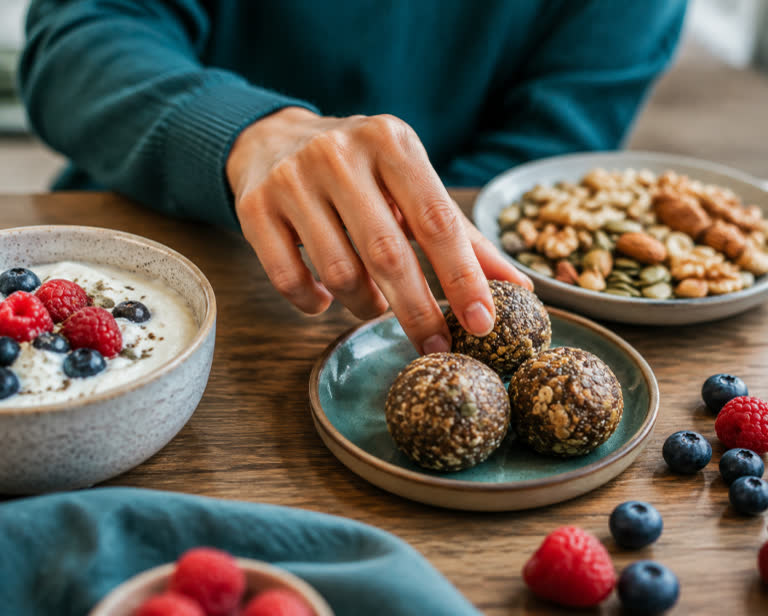
High-protein bars, yogurts, shakes, granolas and snack bites are everywhere because they promise convenience: more fullness, gym-friendly macros and a quick alternative to a meal or sugary snack. That demand makes sense. Higher protein intake can affect appetite and appetite-regulating hormones, although the effect depends on dose, food form and the person eating it [3].
Checking a label before you buy? Use MyGredient to compare ingredients against your saved diet, allergies, beliefs and custom rules.
Download MyGredient for Android or iPhoneFree trial available on the annual plan.
The label problem is that high protein is a front-of-pack claim, not a full food-quality assessment. A product can deliver useful protein while also containing polyols, emulsifiers, flavour systems, colours, gums, sweeteners, isolated fibres and allergens. None of those words automatically makes a product unsafe, but together they tell you the product is more engineered than a boiled egg, plain Greek-style yogurt, lentils, chicken, tofu or nuts.
If you are comparing protein bars in a shop, scan the ingredient list with MyGredient for Android or iPhone and check the result against your saved allergy, diet and ingredient preferences before you decide.
What makes a high-protein snack feel ultra-processed?
Ultra-processed food definitions often focus on industrial formulations made mostly from substances extracted from foods or synthesized from food constituents, with additives used to imitate, intensify or stabilize sensory qualities [2]. In plain English, the signal is not one scary ingredient. It is the overall formula.
For high-protein snacks, watch for clusters like protein isolate plus soluble fibre plus polyol sweetener plus emulsifier plus flavour plus coating. This type of stack can create a product that tastes like a dessert, has a high protein number and keeps a long shelf life. The trade-off is that the label becomes harder to interpret and less similar to a basic food.
Large reviews have linked higher exposure to ultra-processed foods with several adverse health outcomes, but those studies are mostly observational and cannot prove that every individual product causes harm [4]. That matters because the practical advice should be proportionate: do not panic at one protein bar, but do not let a protein claim make you ignore the rest of the label.
The five label checks that matter most
1. Check the protein source. Whey protein, milk protein and casein are dairy-derived. Soy protein is a major allergen. Pea protein may suit some plant-based diets but not every digestive system. Collagen is animal-derived and will not suit vegan or vegetarian rules. The protein source is the first place where personal rules can change the answer.
2. Check the sweetener system. Many bars reduce sugar by using sugar alcohols such as maltitol, erythritol or sorbitol, or high-intensity sweeteners. These can be useful for sugar reduction, but some people prefer to avoid them or may find large amounts uncomfortable. A recent review also highlights why non-nutritive sweeteners remain an active research area for microbiome and metabolic questions [8].
3. Check fibres and gums. Added fibres such as inulin, chicory root fibre, soluble corn fibre or polydextrose can help a product display more fibre, but they may not suit everyone. Gums and thickeners help texture, especially in protein puddings and shakes.
4. Check emulsifiers and stabilizers. FDA consumer guidance lists emulsifiers, stabilizers, thickeners and texturizers among common food ingredient functions, alongside preservatives, sweeteners, colours and flavour-related ingredients [1]. The point is not that every additive is bad; the point is that additives reveal what job the ingredient is doing. Reviews of food additive emulsifiers also show why this category receives extra research attention in ultra-processed food discussions [7].
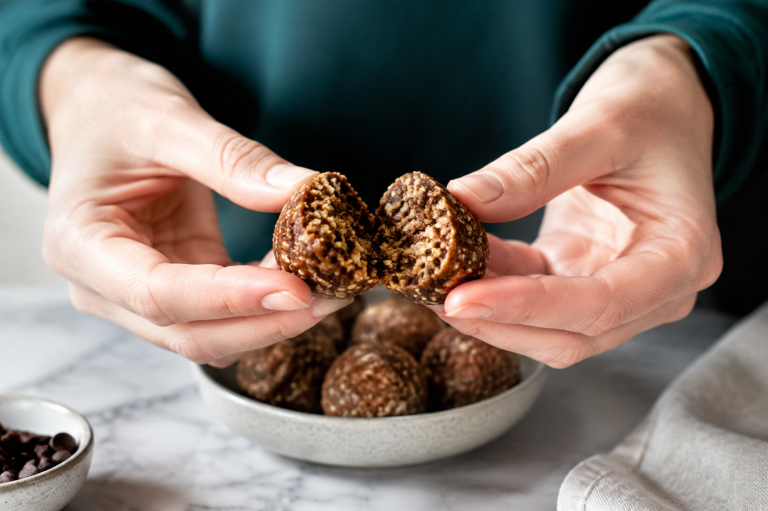
5. Check allergens and belief-based rules. Milk, soy, peanuts, tree nuts, gluten-containing grains, gelatine, collagen, shellac, carmine or alcohol-derived flavours can all matter depending on the user. This is where a personalized scanner is more useful than a generic score.
| Label signal | What it may mean | Why shoppers should check it |
|---|---|---|
| Whey, casein or milk protein | Dairy-derived protein | Important for milk allergy, lactose concerns, vegan rules and some religious preferences. |
| Soy protein isolate | Concentrated soy protein | Relevant for soy allergy and people avoiding soy-based ingredients. |
| Collagen or gelatine | Animal-derived protein or texture ingredient | Often unsuitable for vegan or vegetarian diets and may need halal/kosher verification. |
| Maltitol, sorbitol or erythritol | Polyol sweetener | May reduce sugar, but some users prefer to limit or avoid sugar alcohols. |
| Glycerol, lecithin, gums or mono- and diglycerides | Texture, moisture or emulsification system | Shows the product is engineered for shelf life, mouthfeel and stability. |
Protein bars versus protein yogurts versus shakes
Protein bars are usually the most formulation-heavy of the three because they need to stay solid, sweet, chewy and shelf-stable. Protein yogurts can be simpler if the label is mostly milk, cultures and protein, but some include sweeteners, starches, gums and flavour systems. Ready-to-drink shakes often need stabilizers and emulsifiers because protein, water, fat, flavour and minerals must stay evenly mixed.
That does not mean one format is always better. It means each format has a different label risk profile. A plain high-protein yogurt with three or four ingredients may be a very different product from a frosted protein bar with twenty. A ready-to-drink shake may be convenient after training, but the ingredient list should still be checked against your own needs.
For a faster label check, use MyGredient for Android or iPhone to compare protein source, sweeteners, allergens and additives against your own rules instead of relying only on front-pack claims.
How to choose a better high-protein snack
Use this simple buying routine. First, decide why you want the product: breakfast backup, gym snack, lunchbox item, dessert swap or travel emergency. Then check the protein source and the first five ingredients. If the first ingredients are recognizable and the protein source suits you, keep reading. If the label quickly turns into a long list of isolates, syrups, polyols, coatings and texture agents, treat it as an occasional convenience food rather than a daily staple.
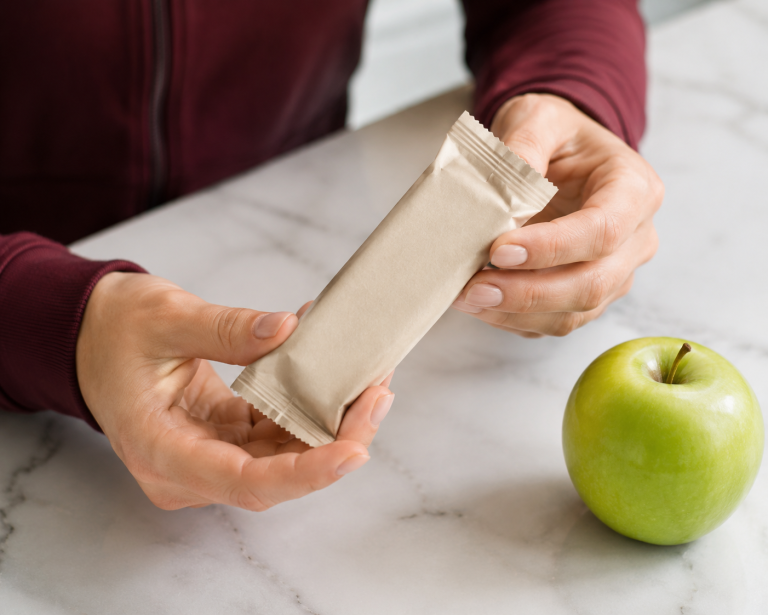
Second, compare the product with a simpler alternative. A snack does not need to be perfect to be useful, but the comparison matters. For example, a protein bar might be more convenient than nuts and fruit, but the nuts and fruit are less formulated. A flavoured protein yogurt might fit your goals, but a plain version with fruit may give you more control over sweeteners and additives.
Third, use your own non-negotiables. If you have a milk allergy, the whey bar is out. If you are vegan, collagen is out. If you avoid certain sweeteners, the label decides. If you are shopping for a child, you may want a shorter ingredient list even when the protein number looks attractive. For more general label-reading habits, see MyGredient’s guide to how to read ingredient labels.
What this means for ultra-processed food worries
Research on ultra-processed foods is useful, but shoppers still buy individual products. A protein snack should not be judged only by fear words or only by protein grams. The better question is: what is this product replacing, how often will I eat it, and does the ingredient list fit me?
Some researchers argue that product reformulation has limits because changing nutrient numbers does not necessarily change the broader processing pattern of a food [5]. That is exactly the trap with high-protein snacks. A bar can be lower in sugar and higher in protein, yet still be built from a complex stack of refined components. If the product is an occasional backup, that may be acceptable. If it is becoming breakfast every day, it deserves a closer look.
For additive-focused shoppers, there is another clue: some research suggests food additives can help identify ultra-processed products when combined with nutrient-profile approaches [6]. In practice, that means additives are not just technical footnotes. They are useful signals for how a food has been designed.
Food Labels 101
Start with the ingredient list before you look at the marketing panel. Ingredients appear in descending order by weight, so the first few ingredients usually tell you the structure of the product. Then read the full list for allergens, sweeteners, colours, gums, emulsifiers, preservatives and flavour terms.
If you are comparing two similar high-protein snacks, pick the one with the protein source you understand, fewer personal-rule conflicts and a label you can explain. A shorter label is not automatically perfect, and a longer label is not automatically dangerous, but a readable label gives you more control.
Related MyGredient guides worth reading next include what ultra-processed foods are, whether food additives are safe long term, and hidden names for sugar on labels.
Checklist
- Does the protein source fit your allergy, diet, belief and lifestyle rules?
- Are the first five ingredients mostly recognizable, or mostly isolates and syrups?
- Are sugar alcohols or high-intensity sweeteners present?
- Are gums, emulsifiers, stabilizers or texture agents doing most of the work?
- Does the product replace a simpler snack, or is it just occasional convenience?
- Would you still buy it if the front label did not say high protein?
FAQ
Are all high-protein snacks ultra-processed?
No. Some high-protein snacks are simple foods, while others are industrially formulated products. The ingredient list tells you which type you are dealing with.
Is a protein bar unhealthy just because it has additives?
Not automatically. Additives have different functions and regulatory requirements, but a long additive stack is a useful signal that the product is more engineered and should be checked against your own rules.
What is the biggest label red flag in protein snacks?
The biggest practical red flag is a product that combines a front-pack health claim with a long ingredient list that conflicts with your allergies, diet, belief rules or sweetener preferences.
Are protein shakes better than protein bars?
Not always. Shakes can need stabilizers and emulsifiers, while bars often need sweeteners and texture systems. The better choice depends on the ingredient list and your personal needs.
Can MyGredient check high-protein snack labels?
Yes. MyGredient can help scan food ingredient labels and compare the ingredients against your saved allergies, diet preferences, beliefs, lifestyle choices and custom rules.
Before you buy, scan the ingredient list with MyGredient and check it against your personal rules.
Download MyGredient for Android or iPhoneFree trial available on the annual plan.
References
- Types of Food Ingredients
- Ultra-Processed Foods: Definitions and Policy Issues.
- Effect of short- and long-term protein consumption on appetite and appetite-regulating gastrointestinal hormones, a systematic review and meta-analysis of randomized controlled trials.
- Ultra-processed food exposure and adverse health outcomes: umbrella review of epidemiological meta-analyses.
- Ultra-processed foods and the limits of product reformulation.
- Food additives and PAHO’s nutrient profile model as contributors’ elements to the identification of ultra-processed food products.
- Food additive emulsifiers: a review of their role in foods, legislation and classifications, presence in food supply, dietary exposure, and safety assessment.
- Impacts of non-nutritive sweeteners on the human microbiome.
Written by the MyGredient Research Team
Our team researches ingredient safety, food labelling regulations, and skincare science to help consumers make informed choices. Every article is fact-checked against peer-reviewed sources and regulatory guidance.
Evidence-Based | Peer-Reviewed Sources | Updated May 2026
Medical Disclaimer: This content is for informational purposes only and does not constitute medical advice. Consult a qualified healthcare professional for personalised guidance. If you experience adverse reactions to any product, seek medical attention.